Seasonal Illnesses Care
Homeopathic Treatment for Common Cold & Seasonal Flu
Receive a personalized homeopathic treatment plan for recurring cold, flu-like symptoms, nasal congestion, sore throat, and related respiratory discomfort.


Seasonal Illnesses Care
Receive a personalized homeopathic treatment plan for recurring cold, flu-like symptoms, nasal congestion, sore throat, and related respiratory discomfort.
30+ Years Experience
Serving Patients Since 1993
5 Clinic Branches
Results across ages & conditions
Certified Homeopath
Licensed & board-recognized
Common cold and influenza are common respiratory illnesses that can cause symptoms such as a runny or blocked nose, sneezing, sore throat, cough, headache, body aches, fatigue, and fever. Although they may appear similar, influenza generally tends to cause more sudden and pronounced systemic symptoms. Most uncomplicated viral respiratory infections improve with supportive care, rest, and adequate hydration.
The common cold is a viral infection of the upper respiratory tract, particularly the nose and throat. It commonly causes sneezing, nasal discharge, congestion, sore throat, cough, and mild fatigue.
Influenza (flu) is also a viral respiratory infection but can typically have a more abrupt onset, with fever, chills, body aches, headache, marked tiredness, cough, and sore throat.
Because several respiratory infections can produce similar symptoms, the nature and severity of the illness should be considered when deciding on appropriate care.
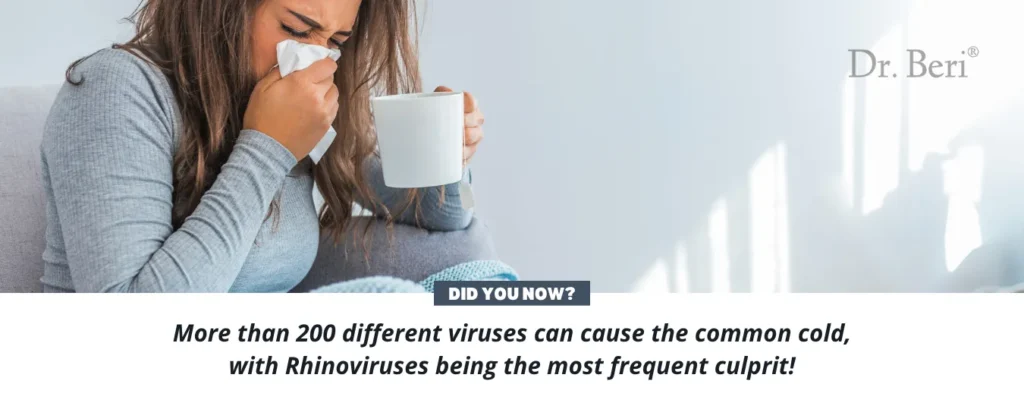
Both conditions are caused primarily by respiratory viruses, although different viruses are responsible.

Symptoms vary depending on the individual and whether the illness is a common cold, influenza, or another respiratory infection.
Typical symptoms may include:
Influenza often produces a more sudden onset of fever, body aches, headache, and pronounced tiredness than an uncomplicated common cold.
Homeopathic practice uses an individualized approach in which the complete symptom pattern is considered rather than selecting a medicine solely according to the diagnosis.
Homeopathy should not be considered a replacement for appropriate medical care. Evidence for homeopathy in treating respiratory infections remains limited, and influenza can occasionally become serious.
Below is an overview of remedies traditionally considered in homeopathic practice for cold and influenza-like presentations. Remedy selection should be individualized according to the complete case.
Traditionally considered when symptoms begin suddenly, particularly following exposure to cold, dry air. Restlessness and a sudden febrile state may be part of the characteristic picture.
Traditionally associated with profuse, watery nasal discharge that may irritate the upper lip, accompanied by frequent sneezing.
May be considered traditionally when there is marked weakness, restlessness, burning nasal discharge, and sensitivity to cold.
Traditionally associated with sudden fever, heat, facial flushing, headache, and sensitivity to light or noise.
Traditionally considered when dryness, headache, body aches, and cough are prominent and symptoms are aggravated by movement.
Often discussed traditionally in influenza-like states characterized by pronounced fatigue, heaviness, chills, headache, and weakness.
Traditionally associated with influenza-like complaints involving pronounced body and bone aches, fever, chills, and headache.
May be considered when chills, nasal obstruction, irritability, and sensitivity to environmental factors accompany the respiratory complaint.
Traditionally associated with thick, bland nasal discharge and congestion, particularly when symptoms fluctuate.
May be considered traditionally when cough, throat irritation, hoarseness, and respiratory sensitivity form a prominent part of the case.

Most simple common colds improve on their own, but medical evaluation is important when symptoms are severe, prolonged, or worsening.
Seek medical attention if you experience:
Young children, older adults, pregnant individuals, and people with certain chronic medical conditions may require earlier medical assessment when influenza-like symptoms develop.
Recurring colds and flu-like illness can be frustrating to manage on your own, especially when symptoms return with every seasonal change. At Dr. Beri, our homeopaths have been assessing and treating respiratory complaints since 1993, drawing on each patient’s individual case history to guide remedy selection. With 5 clinic branches and a track record across ages and conditions, our team is equipped to support you through recurring cold and influenza episodes, not just the current one.
For more about the treatments and services offered by Dr. Beri, Call Us @ +91 8602000033.
Most uncomplicated colds improve within several days, although cough, congestion, or tiredness can sometimes continue for longer.
Influenza often begins more suddenly and may cause stronger fever, chills, headache, body aches, and fatigue. A common cold more commonly produces prominent nasal symptoms such as sneezing, runny nose, and congestion.
There is no single universally applicable homeopathic medicine. Medicines such as Aconitum, Allium cepa, Belladonna, Gelsemium, Bryonia, Nux vomica, and others are traditionally selected according to the individual's symptom pattern.
Some people seek homeopathy for influenza-like symptoms, but homeopathy should not replace medical evaluation or antiviral treatment when clinically indicated. Influenza can occasionally lead to serious complications.
Adequate rest, fluids, nutritious food, and avoiding smoke and other respiratory irritants can support recovery. Appropriate symptomatic treatment can also be used when needed.
Reducing exposure to infected individuals, maintaining hand hygiene, improving ventilation, and avoiding touching the face with unwashed hands can reduce transmission. Annual influenza vaccination is an important preventive measure against influenza.
30+ Years Experience
30+ years of Clinical experience and trusted protocols
Personalized Care
Your remedy is based on your full case history, not just the ailment.
Holistic and Lasting Relief
Focused on individualized assessment and long-term digestive wellness.
Trusted Homeopathic Care Since 1993
Proven track record in alleviating chronic and acute conditions.
Gentle & Non-Toxic Formulations
Gentle formulations ideal for infants, pregnant women, elderly, and sensitive patients.
Online & In-Clinic Consultations
Flexible consultation options whether you’re local or remote.
1
Initial Consultation and Case Study
A detailed 1-on-1 consultation to understand your condition, symptoms, mental state, and health history.
2
Customized Remedy Plan
Based on your diagnosis, Dr. Beri curates a personalized remedy using classical homeopathy principles.
3
On-going Monitoring and Support
Regular follow-ups to adjust treatment and ensure long-term recovery without side effects.
Take Control of Your Recovery from Cold & Flu
Chat Now